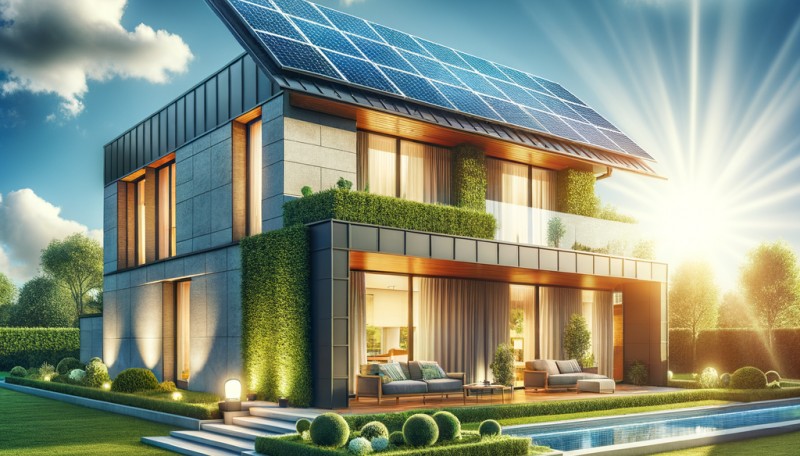
Solar Panel Roofs: Are They Worth the Hype or Just a Flash in the Pan?
BY- May 14th, 2025
Understanding Solar Panel Roofs
Solar panel roofs have been gaining traction for quite some time, and it's easy to see why. The promise of harnessing the sun’s energy to power our homes is nothing short of revolutionary. But, are they really worth all the buzz, or are they just a fleeting trend?
The Appeal of Solar Power
Let's start with the basics. Solar energy is lauded for being clean and renewable. Unlike fossil fuels, it doesn’t spew harmful emissions into the atmosphere. That's a big win for the environment, and for those of us who care about reducing our carbon footprint, it's a compelling reason to consider solar.
Beyond the environmental benefits, there’s the allure of potential savings. Who wouldn't want to see their electricity bills shrink? Installing solar panels means you generate your own electricity. Over time, this can lead to significant savings, especially in areas with high utility rates.
Initial Costs vs. Long-Term Gains
However, it's not all sunshine and rainbows. The initial cost of installing solar panels can be hefty. We're talking thousands of dollars—sometimes tens of thousands. It’s a big chunk of change, and not everyone has that kind of money just lying around.
But here's where it gets interesting. There are often incentives available, like tax credits or rebates, which can help offset some of these upfront costs. And once the panels are up and running, the savings on electricity bills can start to chip away at that initial investment.
It’s a classic case of short-term pain for long-term gain. But, it’s crucial to do the math for your specific situation. Consider factors like the average sunlight in your area, your current electricity costs, and any available financial incentives.
Evaluating Your Home's Suitability
Before you dive into the world of solar, take a good look at your home. Not every roof is ideal for solar panels. Factors such as roof orientation, angle, and shading all play a critical role in how much energy your panels will be able to generate.
For instance, a roof that faces south and has minimal shade is often the best candidate for solar panels. If your home is surrounded by tall trees or buildings, you might not get as much bang for your buck.
It might be worth consulting with a solar professional who can assess your roof’s potential and provide a more tailored recommendation. They can offer insights that you might not have considered, like the potential need for roof reinforcement or repairs before installation.
The Installation Process
If you decide to go ahead with solar, the installation process is another consideration. It's not as simple as slapping some panels on your roof and calling it a day. It involves a fair bit of planning and coordination.
First, you'll need to select a reputable solar installer. Do your homework here—read reviews, ask for references, and get multiple quotes. A good installer will guide you through the permitting process and handle the nitty-gritty details, but it’s still wise to stay informed.
The actual installation can take anywhere from a few days to a couple of weeks, depending on the complexity of the project. Disruption is usually minimal, but it’s something to keep in mind, especially if you’re working from home or have other projects going on.
Maintenance and Longevity
Once installed, solar panels require relatively little maintenance. There are no moving parts, which means less wear and tear. However, it’s not a set-it-and-forget-it situation.
Regular cleaning might be necessary to ensure optimal performance, especially if you live in a dusty area. Some folks opt to clean their panels themselves, while others hire professionals. It’s a personal choice, but make sure you have a plan in place.
Most solar panels come with warranties lasting around 25 years. This gives you a good window to recoup your investment and then some. But, like anything else, their efficiency can degrade over time, albeit slowly.
Community and Grid Considerations
Another angle to explore is the impact of solar panels on your local community and power grid. Some places offer net metering, where you can sell excess power back to the grid. This can further enhance your savings and even provide some passive income.
However, not all areas have net metering policies in place, and some have caps on how much you can feed back into the grid. It’s worth checking what’s available in your area and how it might affect your overall financial picture.
Moreover, community solar programs are popping up, allowing people to invest in solar power without installing panels on their own roofs. These can be a great option if your home isn't suitable for panels, but you're still keen on solar energy.
Weighing the Pros and Cons
It's clear that solar panel roofs have their advantages, but they’re not a one-size-fits-all solution. For some, they can be a fantastic investment, providing energy savings, environmental benefits, and even a little extra cash from net metering.
For others, the upfront costs, potential installation challenges, or simply a less-than-ideal location might outweigh the benefits. It’s all about doing your homework and considering your unique circumstances.
Like any home improvement project, it’s a decision that requires careful thought and planning. Perhaps the most important thing is to educate yourself and weigh all the factors before diving in. After all, it’s your roof, your money, and ultimately, your choice.
